Wearing vs. Storing Sneakers: Which Method Helps Them Last Longer?
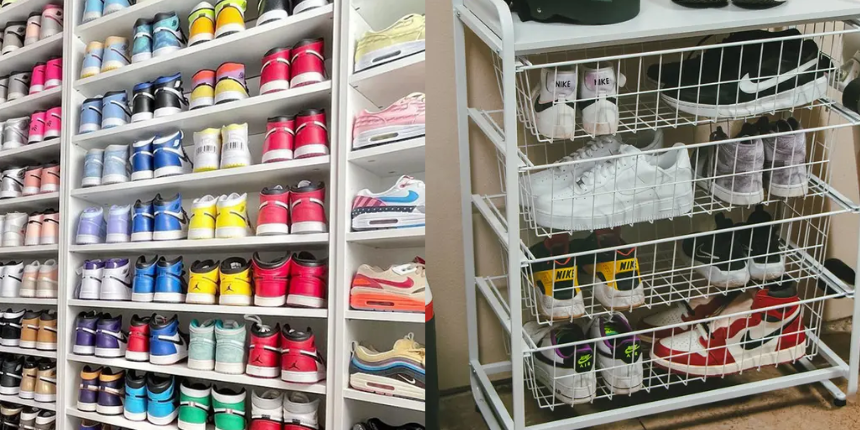
Over the past few years, sneakers have evolved from simple pieces of clothing to valuable commodities. In fact, some limited edition kicks can even reach values of four or five figures, and it’s clear that these particular pairs weren’t made for walking. But this makes us question: how do you make your trainers last longer? Should they stay in their boxes for safekeeping, or is wearing them key?
In this article, we’ll explore whether wearing your sneakers or storing them is the best way to protect your collection. From storage tips to wearing advice, be sure you read on to find out what you need to know.
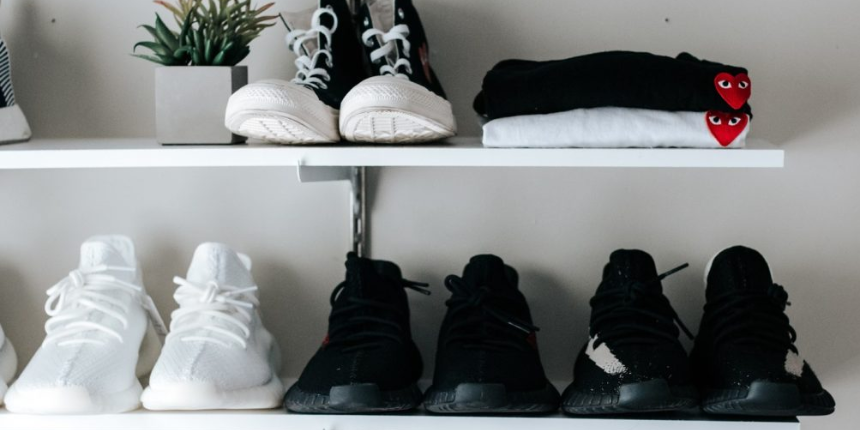
Does Wearing Your Sneakers Make Them Last Longer?
Wearing your sneakers regularly can actually help them last longer, despite the common belief that keeping them in storage is better. For certain materials, like the foam midsoles on Air Jordans, regular wear keeps them from breaking down. Without the pressure and movement that come with wearing, the foam can become stiff and brittle, which can lead to cracks over time. Sneakers, especially those designed with performance in mind, benefit from occasional use to maintain their structural integrity.
However, regular wear also comes with its own challenges. Dirt, scuffs, and wear on the soles are inevitable, especially if you’re using them for activities like running or outdoor walking. The key here is balance – rotating between pairs and ensuring they are cleaned and maintained can significantly extend their life. Regular use doesn’t mean wearing them into the ground, but rather keeping them active while taking good care of them.
Does Storing Your Sneakers Make Them Last Longer?
Storing sneakers properly is crucial, especially for collectors who want to preserve the condition of their prized pairs. By keeping shoes in storage, you can avoid the daily wear and tear that comes with regular use. Scratches, scuffs, and sole degradation are all less likely when they are stored carefully, making it easier to maintain their original appearance. Limited edition and high-end sneakers, like collaborations or special colourways, are often stored to maintain value and pristine condition.
However, long-term storage comes with its own set of risks. Kicks that remain unworn for extended periods can suffer from material breakdown. Foam midsoles, for instance, may start to dry out and crumble if not occasionally compressed through wear. Leather can become stiff and crack, and rubber outsoles may lose their flexibility. Sneakers with delicate materials, such as suede, are particularly vulnerable to environmental damage when stored for long periods without proper precautions.
How Can the Weather Affect Your Sneakers?
Environmental factors such as heat, humidity, and light can greatly affect the lifespan of your sneakers. Whether they’re worn regularly or stored, these elements play a crucial role. Heat can weaken the glue, leading to sole separation. Humidity can trigger mould growth or cause leather and suede to warp and crack. Direct sunlight can cause colours to fade over time. Rubber components may yellow or harden when exposed to light for long periods.
For stored sneakers, controlling the environment is essential. High temperatures and moisture can speed up foam midsole breakdown. Even the packaging they’re stored in can degrade over time, adding to the problem. Sneakers made from delicate materials like patent leather or nylon are especially prone to discolouration and damage. If exposed to light for too long, these materials can deteriorate quickly. Protecting them from environmental factors is vital for preserving their quality.
How Do You Protect Sneakers from Environmental Damage?
To ensure your stored sneakers remain in good condition, proper environmental control is essential. Always store them in a cool, dry place, away from windows, vents, and direct sunlight, as excessive heat and moisture can cause significant damage. Dehumidifiers are a worthwhile investment for managing humidity levels, while silica gel packs placed inside the boxes can help absorb any excess moisture, preventing mould growth or material degradation.
Additionally, storing them in breathable dust bags or their original boxes offers further protection against dust, heat, and light exposure. For long-term storage, avoid using plastic bags, as they can trap moisture and lead to unwanted damage. Taking these precautions ensures that your sneakers stay fresh, clean, and ready to wear whenever you need them.
How Do You Rotate Sneakers for Longer Life?
Rotating sneakers is a simple yet effective way to make them last longer. By alternating pairs, you give each one time to recover from the stress of daily wear, allowing the materials to decompress and maintain their integrity. Constantly wearing the same pair can cause soles to flatten and foam to lose its cushioning, while rotating them prevents this from happening too quickly. Rotating also ensures that moisture or sweat buildup doesn’t degrade the shoes faster than they should.
To maximise longevity, rotate your sneakers every two or three days. This allows each pair to air out properly. This is especially important for athletic shoes or those worn in humid conditions. If you own several pairs, establish a routine where each sneaker is worn for specific activities. One pair can be designated for work, another for casual outings, and a third for sports. Rotating sneakers by activity also helps preserve them, as performance shoes are designed for specific conditions. Using them improperly may lead to faster wear and tear.
How Do Different Materials React to Wear and Storage?
Different materials used in sneakers react differently to both wear and storage, and understanding how each behaves is key to ensuring your sneakers last longer. Leather, suede, mesh, and foam are among the most common materials, each with its own strengths and vulnerabilities.
Leather is one of the most durable materials, holding up well to both wear and storage. Over time, leather softens and moulds to the shape of your foot, making it comfortable for regular wear. However, it requires proper care – leather can dry out and crack if left unworn for long periods, especially in dry or humid environments. Conditioning leather regularly and storing it in a cool, dry place helps maintain its suppleness.
Suede, while stylish, is more delicate. It can be easily damaged by water and stains, making it more prone to wear in harsh conditions. When stored, suede can lose its texture if exposed to moisture or heat, so it’s best kept in breathable dust bags in a dry space. Water-repellent sprays and gentle cleaning with a suede brush are essential to keep it looking good, both during wear and in storage.
Mesh is lightweight and breathable, perfect for athletic sneakers, but it’s not as durable. It tends to stretch and wear out faster, especially with regular use. Mesh is also prone to trapping dirt and moisture, which can weaken the fibres over time. While mesh sneakers don’t hold up as well in long-term storage, keeping them clean and storing them in dry conditions can help prevent damage.
Foam, commonly used in midsoles for cushioning, degrades faster when left unused. Foam compresses over time, especially when worn, but when stored for too long, it can become brittle and lose its shock-absorbing properties. Wearing sneakers with foam midsoles occasionally can actually help maintain their structure, while keeping them in a controlled environment prevents deterioration.
The Bottom Line
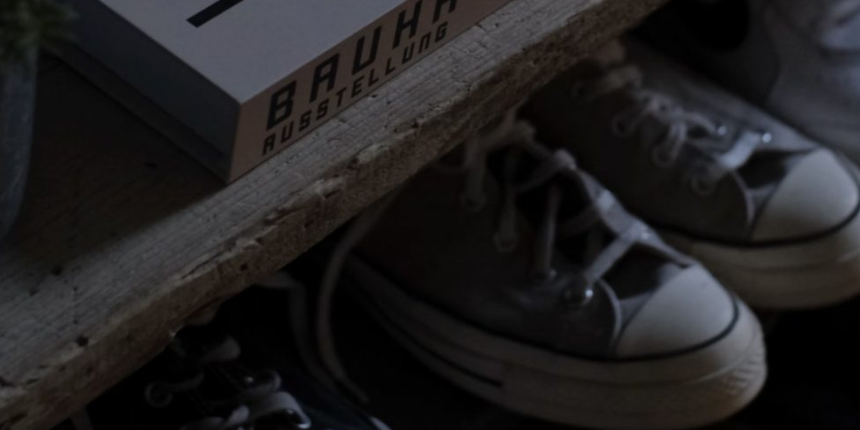
When it comes to the question of whether wearing or storing your sneakers is better for their longevity, the answer is clear: wearing them is the better option. While storing can help preserve their appearance and protect them from day-to-day wear, sneakers are made from materials that benefit from regular use. Foam midsoles, for instance, need compression to maintain their cushioning properties, and rubber outsoles can harden over time if left unworn.
Wearing your sneakers doesn’t mean you have to risk damaging them, either. With proper care – regular cleaning, rotating between pairs, and being mindful of when and where you wear them – you can extend their life while still enjoying them. Storing sneakers for too long, on the other hand, can lead to issues like cracking, yellowing, and the breakdown of materials, even in controlled environments.
Frequently Asked Questions
Is it better to store sneakers in their original box or a plastic container?
The original box is better for long-term storage, but ventilated plastic containers with silica gel packs also work to prevent moisture buildup.
Can sneakers get damaged if I don’t wear them?
Yes, long-term storage without wear can cause materials like foam and rubber to harden and crack.
How can I prevent my sneakers from yellowing?
Store them in a cool, dry place away from sunlight, and use protective coatings on rubber soles to slow yellowing.
Can I store sneakers in the attic or basement?
No, attics and basements are prone to extreme temperatures and humidity, which can damage sneakers over time.