Does Ironing Sneaker Creases Actually Work?
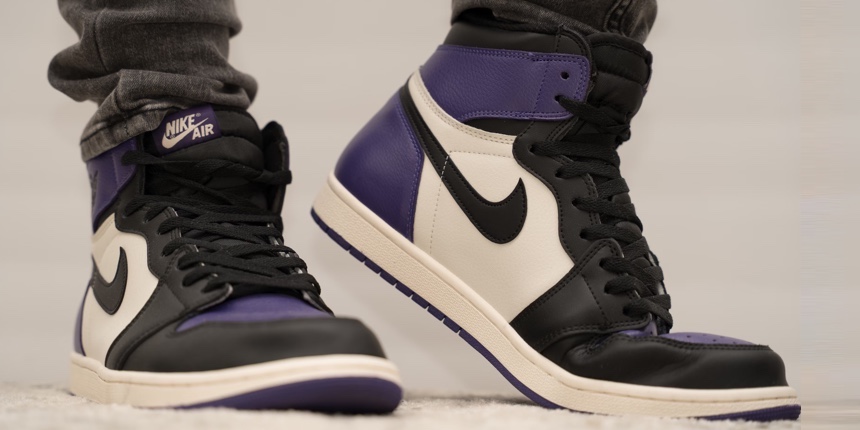
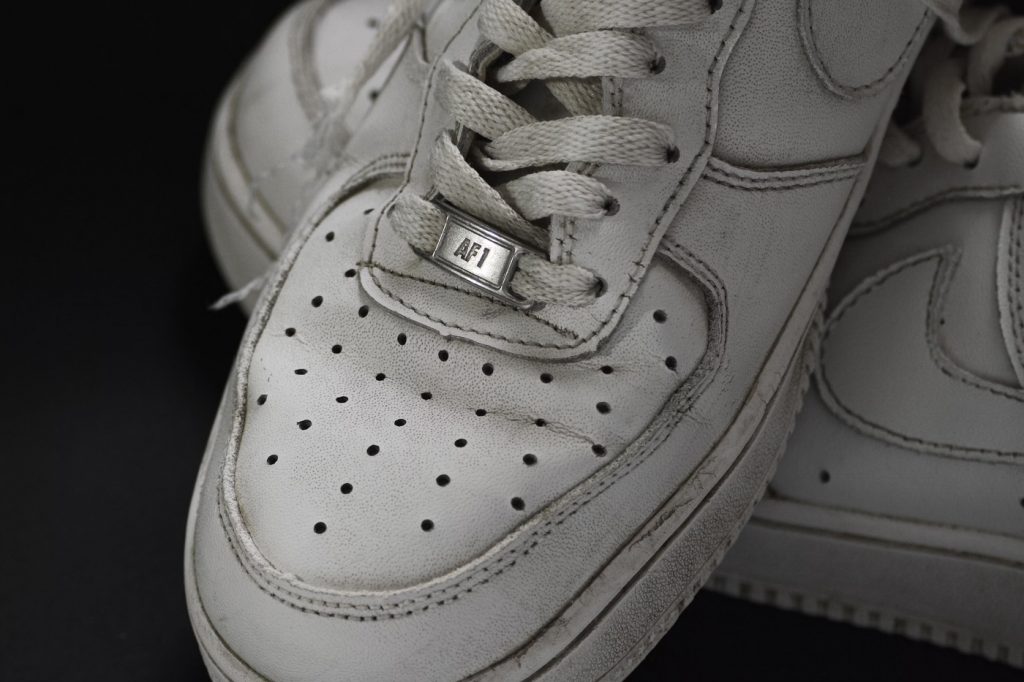
For many, sneaker creases give shoes character, a sign of wear, and a backstory. It’s inevitable that, where your foot bends, creases will follow. However, for those who are head over heels in love with their kicks, they can unwelcome guests. Believe it or not, some people even scrunch their toes for hours just to avoid them. We’re not judging though, as everyone wants to keep their prized possessions looking their best.
That’s why many people search for effective ways to remove sneaker creases, and one of the most popular methods is ironing them out. But the question remains: does it really work? In this guide, we’ll exploring the effectiveness of ironing out creases and figuring out if it’s actually a viable option or not.
Does Ironing Sneaker Creases Actually Work?
In short, yes. Ironing can indeed help remove creases in certain types of sneakers, particularly those made from leather. The heat and pressure can smooth out the material, making them less noticeable or even eliminating them altogether. However, it’s essential to follow specific steps and precautions to avoid causing permanent damage.
What are Sneaker Creases?
Sneaker creases are those inevitable lines and folds that appear where your foot bends the most. They occur because the material of the shoe flexes with the movement of your foot, leading to lines that can detract from the shoe’s pristine appearance.
Certain materials are more prone to creasing than others. Leather, for example, is a common culprit due to its natural flexibility and ability to mould to the shape of your foot. Synthetic materials can also crease, though they often respond differently based on their composition. Understanding how these creases form can help in finding the best ways to manage them.
How are Sneaker Creases Caused?
Several factors contribute to the development of sneaker creases. Some of the main causes include:
- Type of Material: Leather and certain synthetics are more prone to creasing due to their flexible nature.
- Frequency of Use: Shoes worn frequently will naturally crease more due to regular bending and flexing.
- Improper Sizing: Shoes that are too tight cause excessive creasing as the material is constantly under stress, while shoes that are too loose lead to creases as the foot moves around too much.
- Inadequate Care: Not using shoe trees or proper storage methods can exacerbate the problem.
How Do You Remove Sneaker Creases?
So, how do you remove sneaker creases? In this section, we’ll show you how to properly iron your beloved trainers. Before you start, you’ll need the following items:
- Steam Iron: A steam iron provides the necessary heat and steam to smooth out creases. Make sure it has adjustable temperature settings.
- Damp Cloth: A damp cloth acts as a barrier between the iron and the shoe, preventing direct heat contact and potential damage.
- Shoe Trees: Insert shoe trees into your shoes to maintain their shape during the ironing process.
- Ironing Board or Towel: Use an ironing board or a thick towel to provide a stable surface for ironing.
Each of these items plays a crucial role in ensuring the ironing process is safe and effective. Now that you are prepared, let’s go through the step-by-step guide:
- Prepare Your Materials
- Gather a steam iron, a damp cloth, shoe trees, and an ironing board or a thick towel.
- Insert Shoe Trees
- Place shoe trees inside your shoes to maintain their shape during the ironing process. This helps keep the shoe material taut and reduces the risk of additional creases forming.
- Dampen the Cloth
- Soak a cloth in water and wring it out until it is just damp, not soaking wet. This cloth will act as a barrier between the iron and the shoe.
- Set Up Your Iron
- Set your steam iron to a low to medium heat setting. Avoid using high heat as it can damage the shoe material. Make sure the steam function is turned on.
- Position the Damp Cloth
- Place the damp cloth over the area of the shoe with the creases. Ensure the cloth covers the creased area completely to protect the shoe from direct heat.
- Iron the Creases
- Gently press the iron onto the damp cloth, moving it in small circles over the creased area. Apply light pressure and make sure to keep the iron moving to avoid overheating any one spot.
- Check Progress
- Lift the iron and damp cloth periodically to check the progress. If the creases are still visible, re-dampen the cloth and continue ironing.
- Allow Shoes to Cool
- Once the creases are reduced or removed, let the shoes cool completely before removing the shoe trees. This helps the material set in its new, smooth form.
What are the Pros and Cons of Ironing Sneaker Creases?
Using an iron to remove sneaker creases has its advantages and disadvantages:
Pros:
- Effective: Ironing can provide quick and noticeable results, especially for leather shoes.
- Cost-Effective: Most households already have an iron, making this method inexpensive.
Cons:
- Risk of Damage: Incorrect use can lead to burns or deformation of the shoe material.
- Not Suitable for All Materials: Some synthetics and delicate fabrics might not withstand the heat.
The Bottom Line
And that is how you keep those sneaker creases at bay! By following the steps we’ve outlined, you can maintain the pristine look of your favourite kicks and extend their lifespan. Ironing out creases is an effective method for certain materials, especially leather, but it requires careful execution to avoid damage. If you’re not comfortable with ironing, alternative methods like using a hairdryer, steamer, or specialized shoe care products are also available.
Preventive measures are equally important. Proper storage, the right fit, regular maintenance, and mindful wear can all help prevent creases from forming in the first place. With a little effort and attention, you can keep your shoes looking as good as new.
Remember, a little care goes a long way in maintaining the appearance and longevity of your footwear. Whether you choose to iron out the creases or opt for other methods, the key is to be consistent and gentle with your shoes. Happy walking!
Frequently Asked Questions
Does ironing work on all sneaker materials?
Ironing is most effective on leather shoes. It’s less suitable for materials like suede or delicate fabrics that could be damaged by heat.
Can ironing damage my sneakers?
Yes, if not done correctly. Always use a damp cloth as a barrier and set the iron to a low heat to avoid damaging the shoe material.
How often should I iron my sneakers to remove creases?
Ironing should be done sparingly. Frequent ironing can weaken the material. It’s best used as an occasional treatment.
Can I use a steamer on all types of sneakers?
Steamers are generally safe for most materials but always test on a small, inconspicuous area first to ensure there’s no damage.