The adidas Hyperboost Running Franchise Redefines Super Shoes
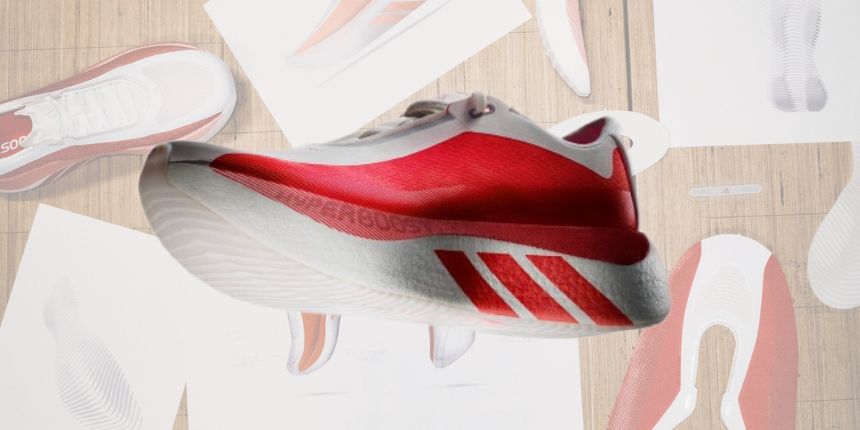
Adidas is redirecting its performance roadmap with the Hyperboost Edge, a brand-new silhouette that pivots away from the lifestyle-leaning Ultraboost lineage to establish a distinct super trainer identity. Instead of chasing the rigid carbon-fibre trends currently dominating the market, this model relies entirely on a massive 45mm rearfoot stack of proprietary Hyperboost Pro foam to generate propulsion. Weighing at only 255 grams, this max-cushioned running shoe allows the foot to move naturally without the aggressive stiffness typical of race-ready models.
Meanwhile, the Hyperboost Euphoria keeps the ultra-cushioned midsole platform but flattens out the steep rocker profile. The result is a grounded, far more stable ride built for all-day commuting rather than strictly hunting personal bests.
Below, we dig deep into the design and details of the adidas Hyperboost Edge and Euphoria and why it deserves a spot in your running shoe rotation.
Meet the Hyperboost Pro Foam
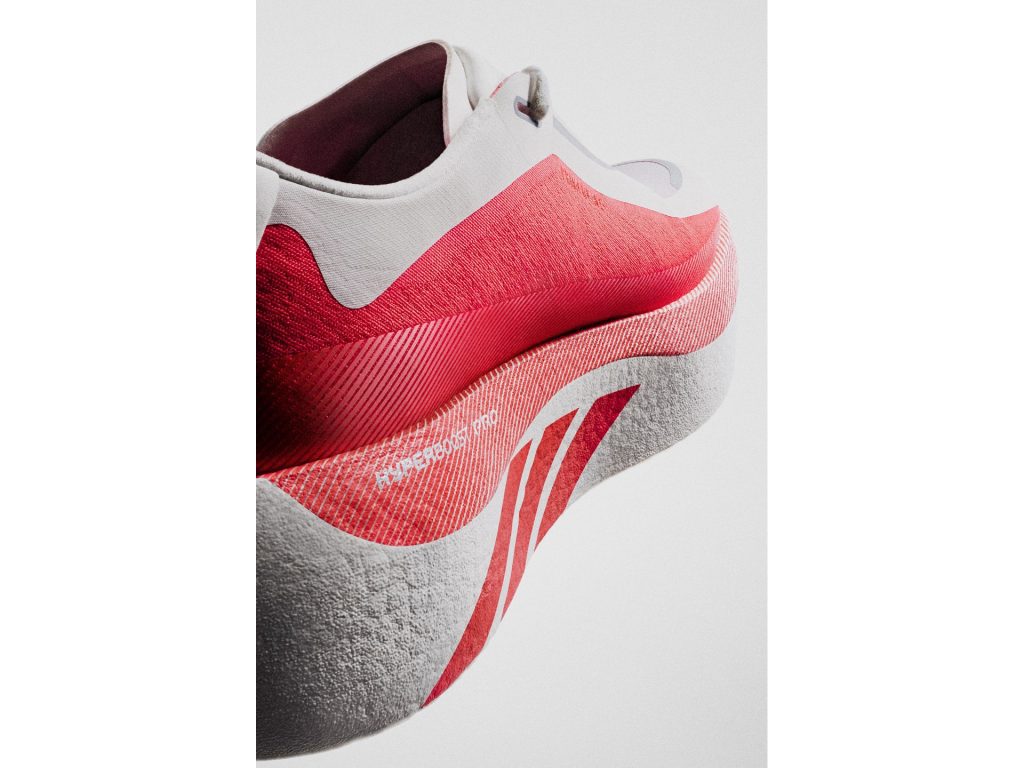
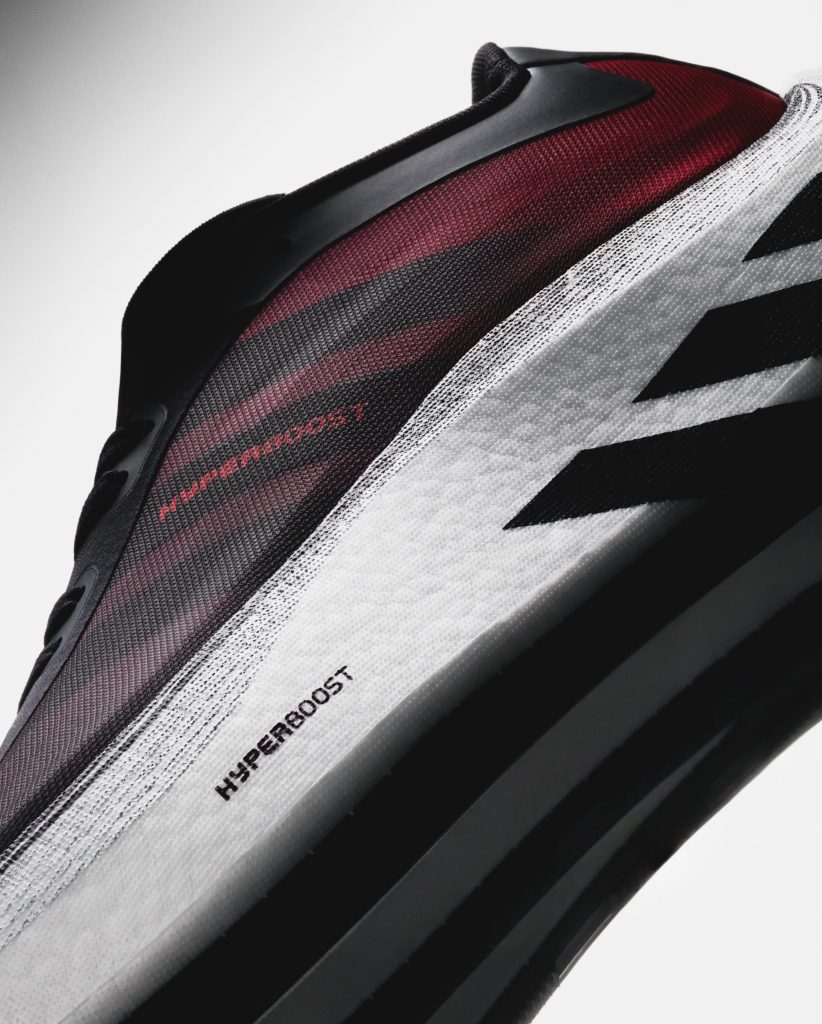
One of the defining features of the Hyperboost Edge lies in the midsole. The new foam-based compound behaves fundamentally differently from standard ethylene-vinyl acetate (EVA) or traditional Boost, relying on a highly resilient cellular structure that expands and snaps back under compression. Stripping out the structural plastics keeps the overall weight down, allowing the shoe to retain the flexible, natural foot movement that carbon-plated models inherently suppress.
This technical shift serves a larger strategic purpose. The highly successful Ultraboost lineage, which originally bridged the gap between performance running and streetwear mid-2010s, eventually became bogged down by its own lifestyle popularity, growing too heavy and casual for serious athletic use.
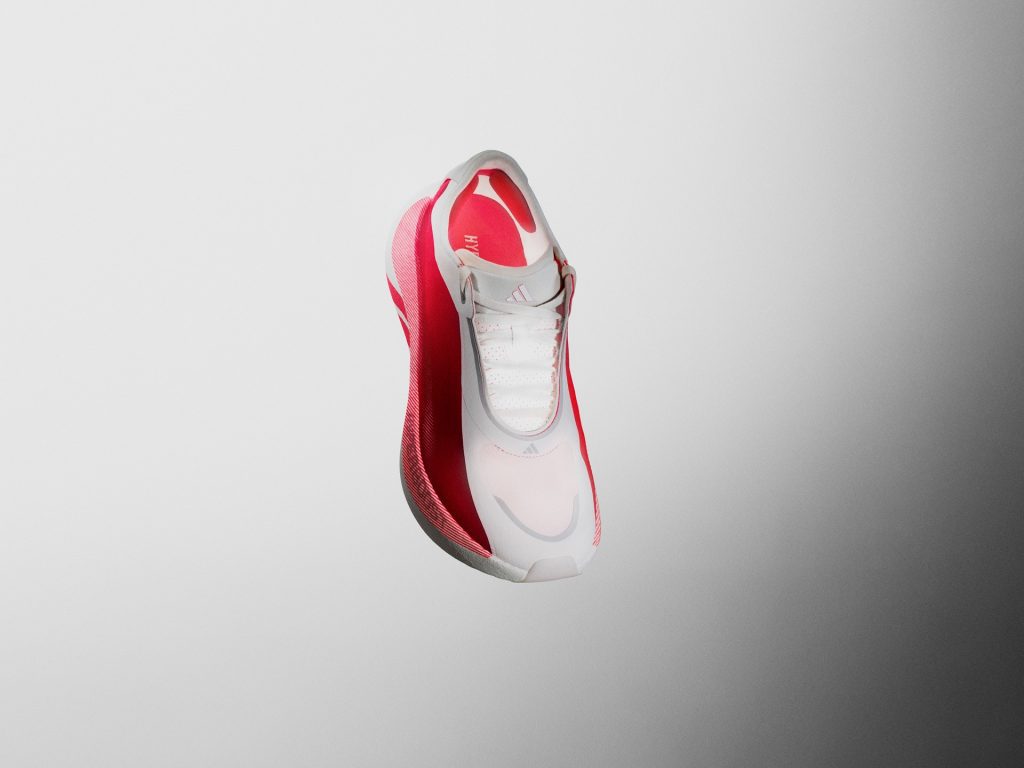
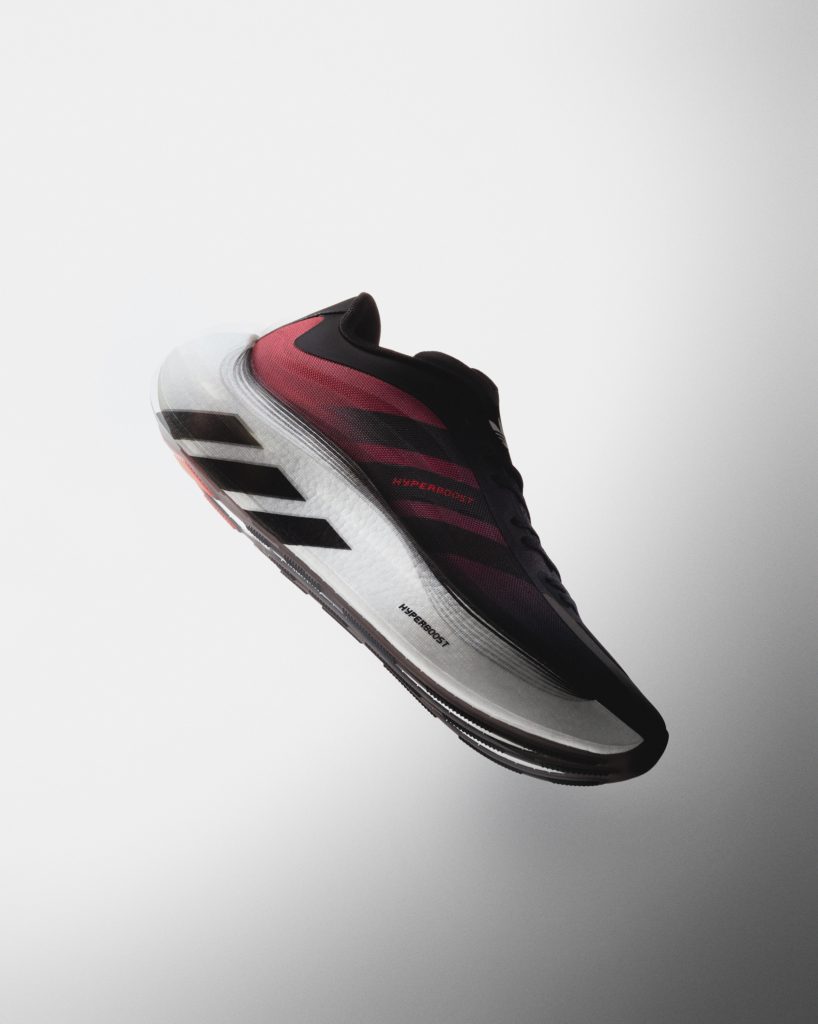
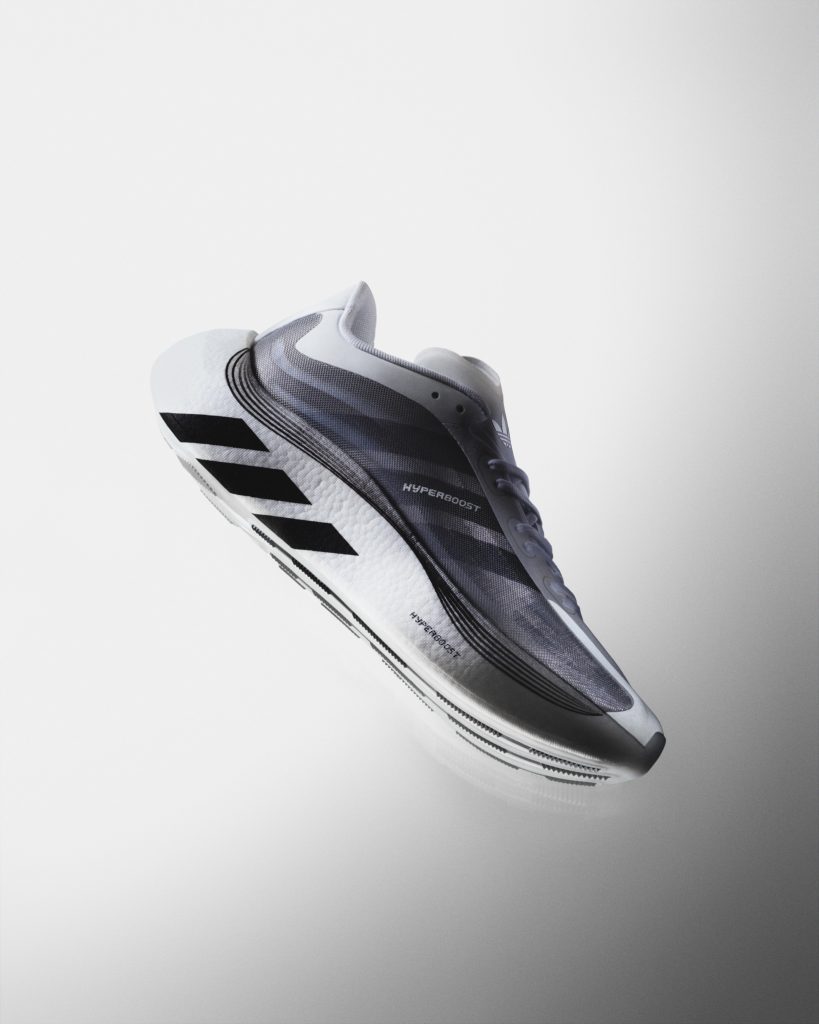
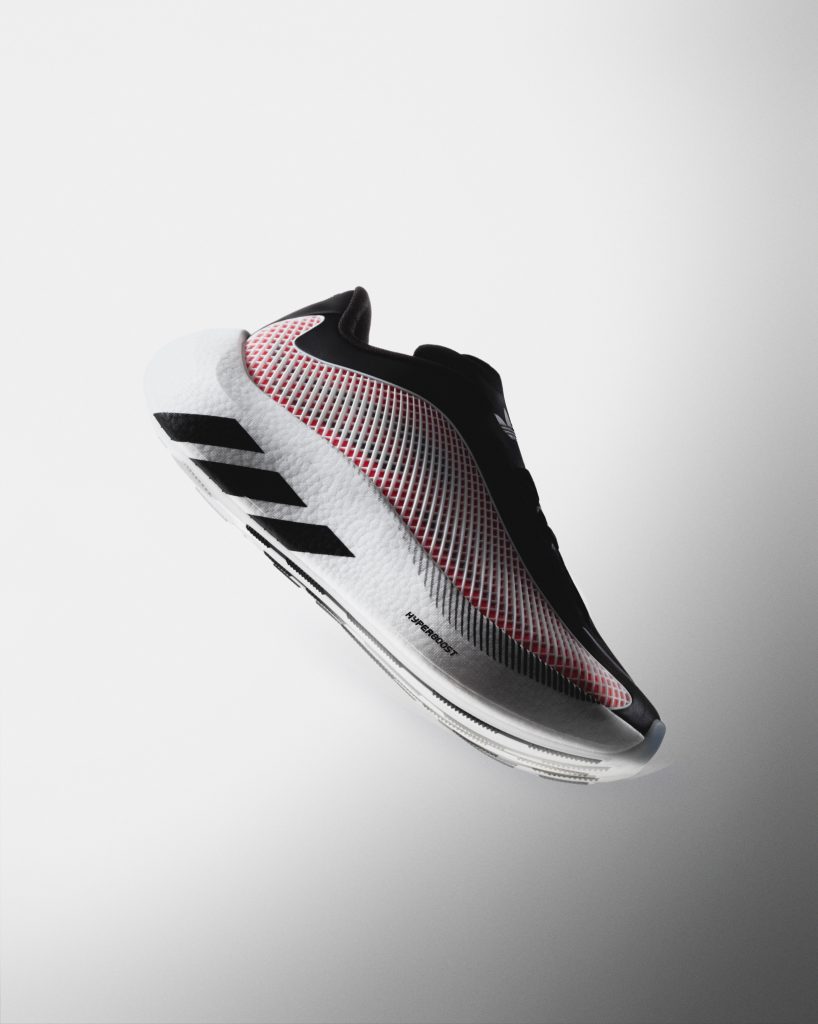
The design language makes this focus clear. The three stripes have been completely removed from the upper and printed directly onto the lateral side of the foam midsole. This signals that the engine of the shoe is the absolute priority.
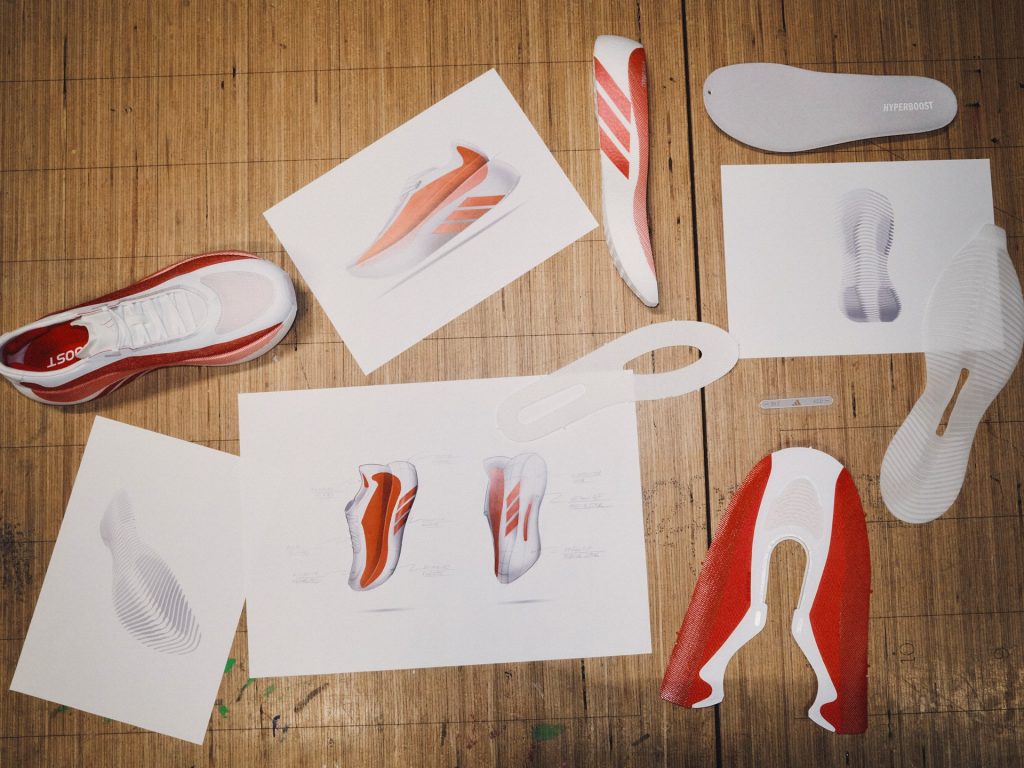
The rest of the silhouette follows a strictly minimalist blueprint to balance the oversized proportions of the sole. A lightweight woven upper provides targeted lockdown without structural overlays, while a pared-back rubber outsole adds traction only where the foot makes high-impact contact. By focusing purely on the interplay between a massive foam stack and the natural mechanics of the foot, the design moves past the gimmickry of the past decade.
Why Should I Wear the adidas Hyperboost Edge?
While anyone can rock this running shoe, it’s less ideal for race day and more suitable for daily training. If you’re looking to log in serious miles without focusing on speed, the Hyperboost Edge is a great option. It represents a significant structural pivot, positioning itself as a highly durable, cushioned partner capable of swallowing the bulk of the weekly training miles. Rather than sinking into mushy plushness, the ride is inherently firm and protective, relying on a rocker-assisted forefoot to cleanly snap the foot through the stride.
At £170, the Hyperboost Edge operates best when pushed past recovery shuffles into steady and tempo paces. It addresses a long-standing gap in the brand’s lineup, delivering a resilient, high-energy trainer that rewards clean running mechanics without the harshness or cost of a carbon plate.
What Makes the adidas Hyperboost Euphoria Different?
The model debuts in two distinct upper builds catering to different tastes. The headline Hyperboost EPHR leans heavily into mid-2000s tech-wear aesthetics with a prominent TPU cage structure wrapped across the entire midfoot. Alongside it, the EPHR LT opts for a stripped-back, semi-transparent mono-mesh upper that reveals an internal skeletal support system underneath—delivering a significantly lighter feel on foot.
This pair is ideal if you want to experience the max-cushioned ride of the Hyperboost foam without feeling too unstable or plush.
If you’re interested in adidas’ latest technology, you can now cop the Hyperboost Edge, Euphoria, and Euphoria LT in several colourways direct from the adidas site.