How to Prevent Achilles Pain on the Salomon XT-6
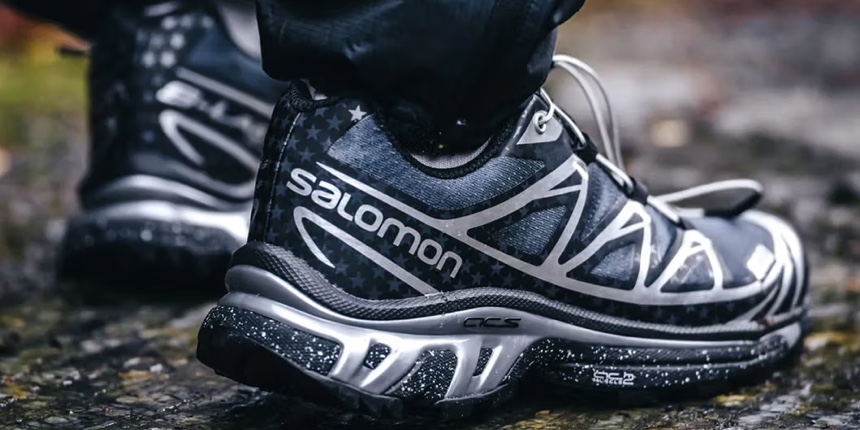
Thanks to the gorpcore trend, the Salomon XT-6 has becoming one of the most hyped sneakers in the world. Even thought it was first introduced in 2013, it didn’t really start gaining mainstream popularity until about a decade later. And while it was originally designed for long-distance treks and hikes, nowadays, it’s become more of a lifestyle trainer.
However, despite its widespread acclaim, some wearers have reported experiencing Achilles pain with the Salomon XT-6. Whether you’re thinking about getting these or you already own a pair, there’s no need for concern. We’re here to help you manage this discomfort and find solutions that actually work.
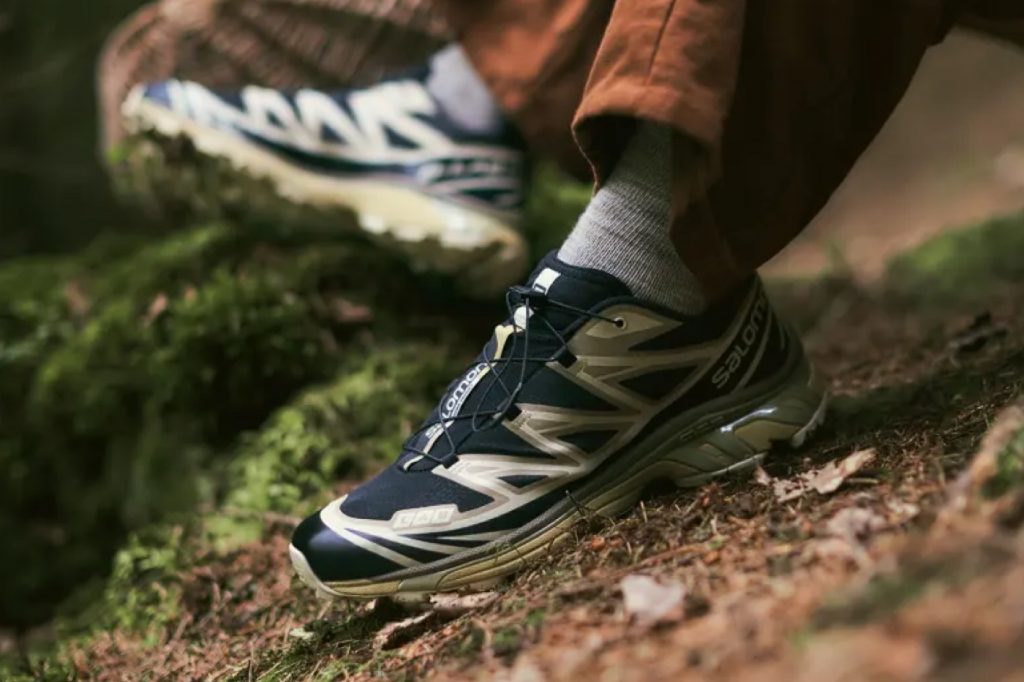
Can Sneakers Really Influence Achilles Pain?
It turns out that the trainers you wear can actually affect your Achilles tendon. Shoes without enough support or cushioning can increase stress around this area, making things worse. Even high heels can cause trouble by tightening your calf muscles too much and pulling on the tendon.
If you’re trying to avoid Achilles pain, it’s important to choose shoes with good arch support, a cushioned heel, and enough flexibility to let your foot move naturally. It’s not just about finding shoes that fit well – it’s about choosing ones that work well with the way your foot moves. Good shoes can help prevent Achilles pain and can be part of treating it if you’re already having issues.
But the XT-6 is a great shoe, isn’t it? It boasts arch support, a lightweight design crafted from durable materials, and Salomon‘s ever-popular EVA cushioning for extra comfort. However, even with these excellent features, it’s possible that the heel might still cause discomfort for some.
How to Break in the Salomon XT-6
- Gradual Introduction: Don’t jump straight into a full day’s wear. Start by wearing your XT-6s for a few short periods each day, gradually increasing the time as your feet and the shoes adjust to each other.
- Check Your Fit: Make sure your sneakers fit well. They should be snug but not tight, with enough room to wiggle your toes. Pay extra attention to the heel area; it should securely hold your heel in place without slipping.
- Use the Right Socks: Thick or padded socks can add an extra layer of cushioning and protection, reducing the risk of rubbing and irritation in the heel area.
- Lacing Techniques: Experiment with different lacing techniques to find what best alleviates pressure on your Achilles. Sometimes, looser laces over the ankle can prevent excessive pressure while maintaining support.
- Softening the Heel Counter: If the heel counter (the back part of the shoe that wraps around your heel) feels too stiff, you can gently bend and massage it to soften it without damaging the shoe.
- Conditioning the Materials: Use a leather conditioner or shoe treatment on natural materials to make them more pliable and comfortable faster.
The Bottom Line
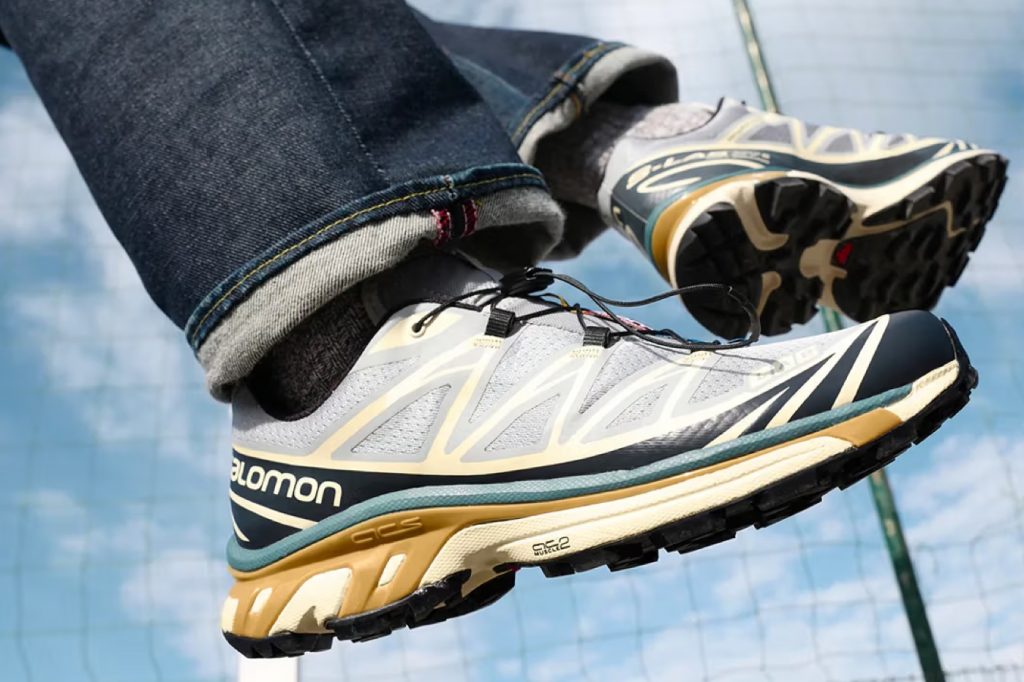
The Salomon XT-6 continues to stand out as a top choice, blending style with functionality for activities ranging from urban exploration to challenging treks.
If you find yourself among those who face discomfort, it doesn’t mean you need to give up on these sneakers. With the right approach, such as adjusting how you wear them, engaging in targeted exercises, and possibly incorporating supportive insoles, you can significantly alleviate or even eliminate any pain associated with the XT-6.